
Solar panels
Solar panels, also known as photovoltaic (PV) solar panels, capture the sun’s energy and convert it into electricity you can use in your home. Learn more about how solar panels work and if they're suitable for you.
Call us on: 0808 808 2282
Solar panels, also known as photovoltaic (PV) solar panels, capture the sun’s energy and convert it into electricity you can use in your home. Learn more about how solar panels work and if they're suitable for you.
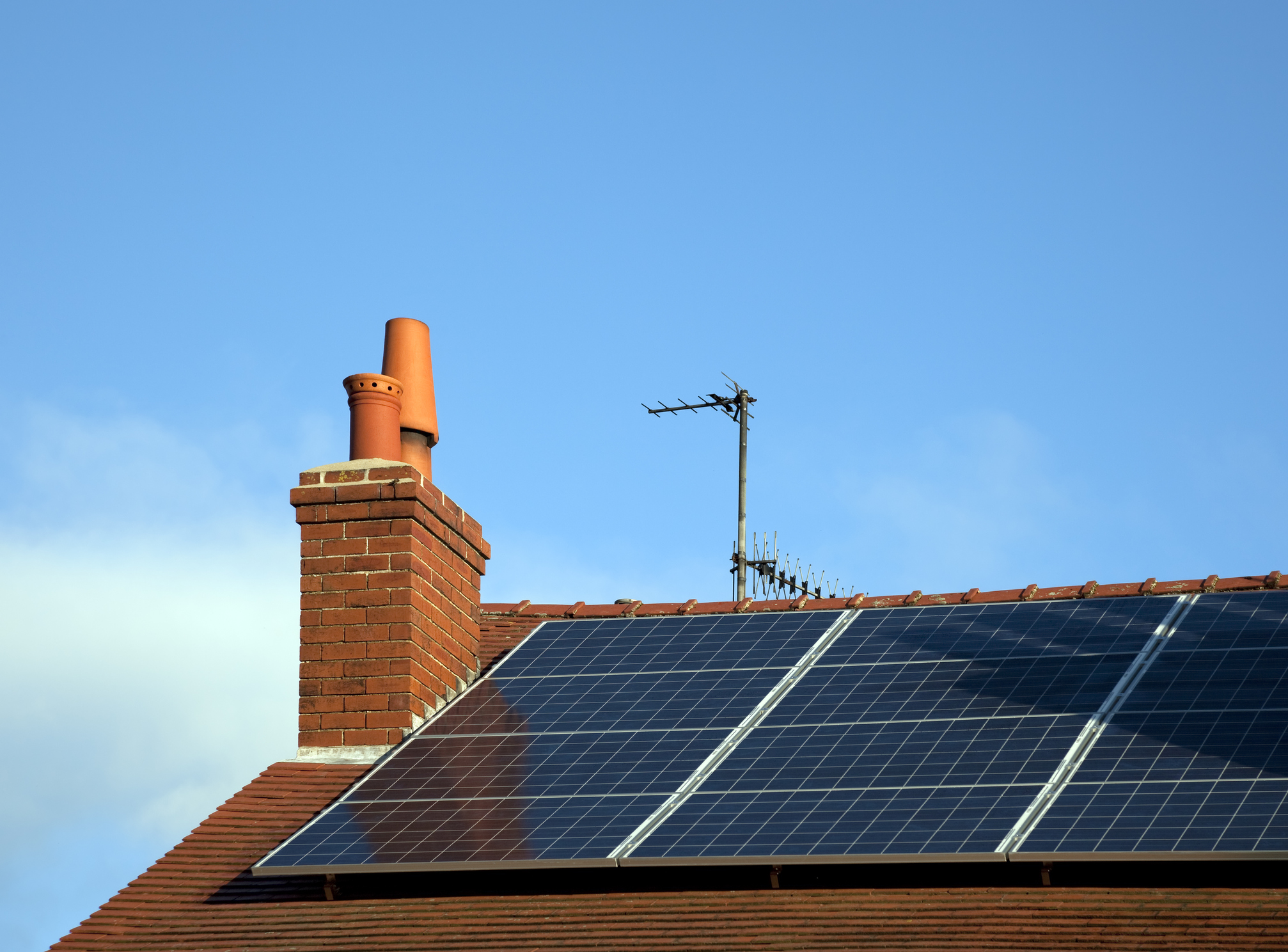
Solar panels are made of layers of semi-conducting material. This material is treated to create an electric field and electricity is generated when sunlight hits it.
By installing solar panels, you can generate your own renewable electricity. You can also use them alongside other renewable technologies, like heat pumps. Install an energy storage system, and you can capture excess energy generated to use at a time that suits you.
There are many benefits to installing solar panels in Scotland.
The size of the solar panel array your home requires influences the amount you'll pay for a solar PV system. The average size of a solar array installed in Scotland is around 4 kilowatt peak (kWp) and will cost around £6,500 to install. If there are access difficulties to your roof then this may add to costs.
The larger the solar array, the more electricity it will produce, which means your bills will be lower. But this doesn't mean you should put as many panels on your roof as possible. The more panels you add, the more it costs, so you want to find that optimal costs to savings ratio.
Other price variables include whether you choose panels or tiles and whether you opt for building-integrated panels or panels that sit on top of your roof. Panels on top of the roof are the cheapest option, while tiles are the most expensive for the equivalent system.
Typically, solar panels will pay for themselves in around 8-12 years depending on how well they are maintained. Solar panels should last for 30 years or more.
You can also make savings by installing a solar PV diverter switch. Instead of sending surplus electricity to the grid, a PV diverter switch can power your hot water tank's immersion heater, storing hot water for later use. Excess solar energy is unlikely to meet all your hot water needs, but it can help reduce your bills.
Answer a few questions to find out which technology is suitable for your home.
Sometimes, the electricity you generate will be more than you can use or store. If you register for the Smart Export Guarantee (SEG), you can receive payments for any excess energy you generate and send back to the grid. The savings from solar PV with the SEG are considerably higher than without.
One way to make the most of solar panels is to combine them with an energy storage system. An energy storage system captures the excess energy you generate and saves it for later use. The most common energy storage systems include electric batteries, heat batteries, and thermal stores like hot water tanks.
Solar panel systems need little maintenance; ask your installer for the exact upkeep requirements before installing solar panels. Advice on solar panel maintenance is available via Energy Saving Trust.
Visit Energy Saving Trust's website if you're interested in learning more about how solar panels work and the potential benefits.

Free, impartial advice on home upgrade options and available funding.

You can search for Microgeneration Certification Scheme (MCS) certified installers in your area and read customer reviews on Energy Saving Trust's Renewables Installer Finder.

Answer a few questions to find out which technology is suitable for your home.

Visit Energy Saving Trust's Green Homes Network to discover how others have successfully improved their homes with measures such as solar panels.