
How to make your home warmer
You can make your home warmer by being in control of your heating system, keeping the heat in with insulation and draught-proofing, and tackling damp and condensation.
Call us on: 0808 808 2282
You can make your home warmer by being in control of your heating system, keeping the heat in with insulation and draught-proofing, and tackling damp and condensation.
At a glance:
There are three main ways to make your home warmer.
A warm home helps improve comfort, health and wellbeing.
We’ll help you learn how to make your home warmer by taking control of your heating system, give you information on insulation and draught-proofing, and show you how to tackle damp and condensation. You could also explore whether a renewable heating system, such as a heat pump, may be right for your home.
Our advisors can give you free, impartial and expert advice tailored to you and your home. They can also check your eligibility for financial support including Warmer Homes Scotland, the Home Energy Scotland Grant and Loan and more.
Home heating and hot water accounts for over half of a typical Scottish household's energy bill.
Making sure your heating system is working efficiently and using the right controls can help you stay warm and manage your energy use.
Looking for ways to heat your home and water more efficiently? Energy Saving Trust offers expert advice on getting the best performance from your current heating system, reducing energy use, and how to choose a replacement heating system that suits your home.
Get advice on heating systemsBoilers are one of the most common ways to provide heating and hot water. If your boiler struggles to provide enough heating and hot water, breaks down frequently, or has high running costs, it may be time to upgrade to a newer, more energy-efficient model.
Learn more about boilersUsing your heating controls effectively can help keep your home warm and comfortable while reducing energy waste and heating costs. From boiler and room thermostats to thermostatic radiator valves and smart heating controls, there are plenty of ways to manage your home's temperature more efficiently.
Learn more about thermostats and heating controlsSwitching to a low-carbon heating system, such as an air source heat pump, is becoming more affordable for homeowners. With funding and support available to help cover the cost of installation, now could be a good time to make the switch to low-carbon heating.
Learn more about greener heating systemsCondensation occurs when there isn’t enough air movement and moisture forms on cold surfaces in your home. If left untreated, excess moisture and condensation can damage your home. Black mould can also affect the health of the people living there.
To help reduce condensation in your home, follow these seven tips.
Drying washing outdoors helps reduce the amount of moisture released into your home.
If outdoor drying isn't possible, use a clothes horse in a well-ventilated room rather than drying clothes on radiators. Opening a window can also help moisture escape and reduce the risk of condensation.
Cover pans with lids when cooking to limit the amount of steam released into the air. Keep kitchen and bathroom doors closed while cooking, showering or bathing to stop warm, moist air from spreading throughout your home.
Good ventilation helps remove excess moisture and improves indoor air quality. Use trickle vents if your windows have them, or open windows on opposite sides of your home to create airflow and help moisture escape.
Extractor fans are one of the most effective ways to remove moisture at its source. Switch them on when cooking or showering and consider opening a window if condensation starts to build up.
Air needs to move freely around your home to prevent moisture from collecting. Avoid overfilling wardrobes and cupboards and leave a small gap between furniture and external walls to improve airflow and reduce the risk of mould.
Maintaining a steady indoor temperature can help prevent condensation forming on cold surfaces. Where possible, try to keep your home heated to at least 15°C, particularly during colder months.
Wall and loft insulation can help keep surfaces warmer, reducing the likelihood of condensation forming on walls and ceilings. To get the best results, ensure insulation is installed correctly and without gaps, as cold spots can attract moisture and increase the risk of damp.
For more information, read Energy Saving Trust’s guide on how to fix damp and condensation, or watch our video to learn how to reduce and prevent condensation in your home.
Heat loss is a common issue. Heat can escape through walls, roofs, windows, doors and floors.
Insulation and draught-proofing help keep heat where you need it most, making your home feel warmer and more comfortable. They can also help reduce your energy bills.
About a third of the heat lost in an uninsulated home escapes through the walls. Properly installed cavity wall insulation can reduce heat loss, energy use and heating costs.
Insulating solid walls lowers heating costs and improves comfort. Homes built before the 1920s will most likely have solid external walls.
You can lose around a quarter of your home's heat through an uninsulated roof. Insulating the roof can reduce your heating bills
Insulating your ground floor - or any floor above unheated spaces like garages - is essential to keep heat in your home. Newer homes are often constructed with solid concrete ground floors, but older homes may have timber floors that could benefit from underfloor insulation.
Installing draught-proofing around windows and doors and fitting energy-efficient external doors reduces heat loss. Secondary, double or triple-glazing windows are also effective.
Draught-proofing is one of the most cost-effective ways to keep your energy bills low. Heat can escape from gaps, holes, and cracks, like those in windows and doors or open chimneys.
Insulating water tanks and pipes keeps them hotter, saves money, and reduces energy use. Insulation for tanks and pipes can help keep heat where it's needed and makes your home warmer.
Generating your own electricity and heat and making your home greener is easier than you might think, thanks to our free, impartial advice and help accessing financial support.
Learn about home energy upgrades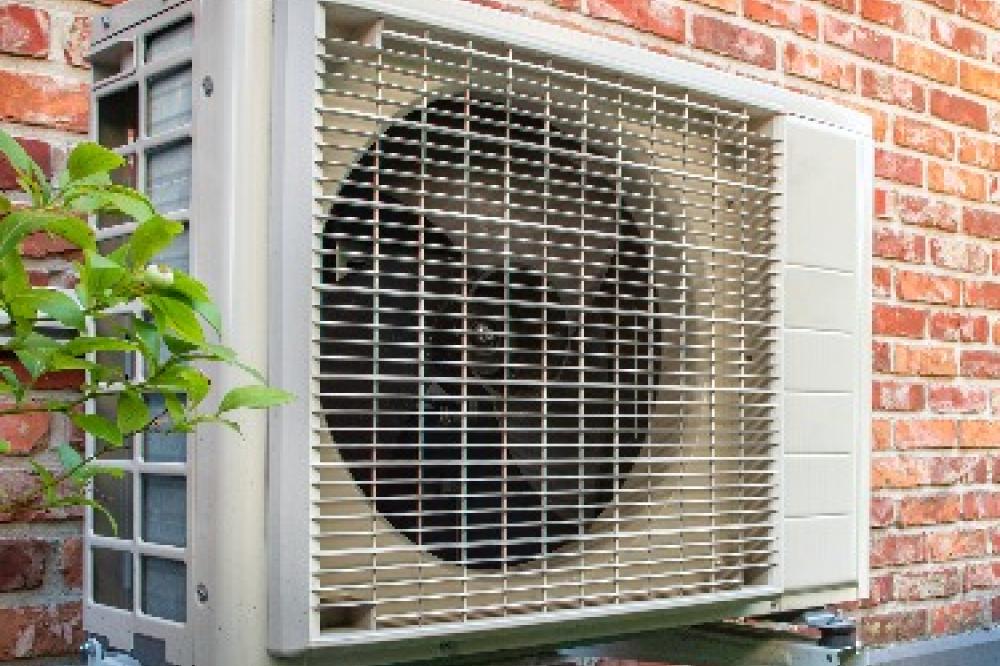
The main ways to make your home warmer are improving insulation, reducing draughts, using heating controls effectively, and tackling damp and condensation.
Heat may be escaping through walls, roofs, windows, doors or floors. Damp and condensation can also make your home feel colder.
You may be eligible for financial support such as Warmer Homes Scotland or the Home Energy Scotland Grant and Loan, funded by the Scottish Government. Home Energy Scotland can help you understand what financial support may be available. You can also use our funding finder to learn what support is available in your area.
Home Energy Scotland advisors can provide free, impartial and expert advice about how to make your home warmer and cheaper to heat. All our advice is tailored to you and your home.
If you'd like advice on how to make your home warmer and cheaper to heat, we can help.
You can contact Home Energy Scotland free by phone, email or WhatsApp. All our advice is free and impartial.