
Get ready for the clocks changing
Get ready for the clocks changing
When the clocks go back on Sunday 25 October, it’s a good opportunity to prepare your home for winter. Simple changes to your heating controls, thermostat settings and everyday habits can help you stay warm and avoid wasting energy as the days get shorter and temperatures drop.
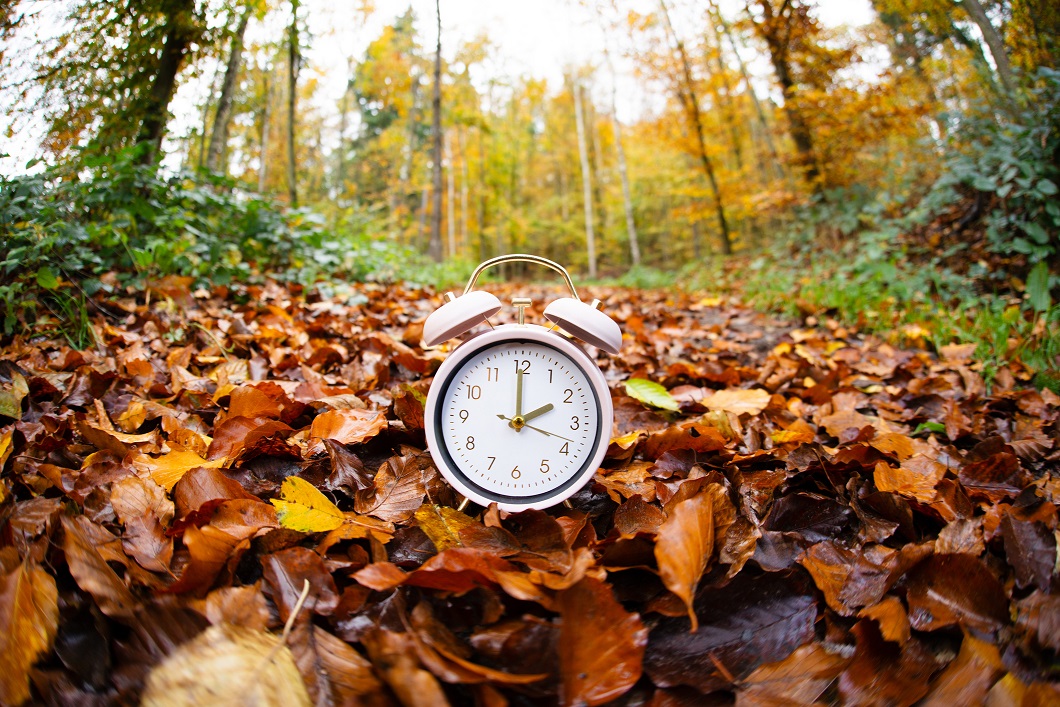

Get ready to enjoy that precious extra hour in bed this Sunday 25 October. As you adjust your clocks, remember to check your heating controls and timers too. The clocks changing is a useful reminder to prepare your home for colder weather and review a few simple ways to save energy and stay comfortable throughout winter.
At a glance:
When you change your clocks, you should also:
- check that your heating controls and timers are set correctly
- consider whether your thermostat is set to the right temperature
- reduce heat loss and draughts where possible
- check you're on the best tariff for your situation; and
- explore more ways to make your home warmer.
How can you adjust your heating controls and thermostat?
Heating controls help keep your home comfortably warm without overheating and wasting energy. They allow you to choose when your heating comes on and, by using the radiator valves, you can control the temperature in each room too.
By using the controls properly, you could save money, so it’s worth considering when you need the heating to be on. You can time the heating to switch off around half an hour before you leave the house or go to bed. It will still be nice and warm, and you won’t waste energy. If you’ve already been doing this, remember to set the timers back by an hour at the same time you change your clocks.
Turning your thermostat down is another way you can save energy. A common misconception is that turning the thermostat up will heat up your home quicker, but this will only heat your home to a higher temperature at the same rate. Turning down your thermostat from 22°C to 21°C could save you £120 and 390kg of CO2e over a year (1). We recommend setting your thermostat between 18°C and 21°C.
Read our guide on thermostat and heating controls to find out how to use heating controls effectively, save money on your heating bills and lower your carbon emissions.
How can you reduce heat loss and draughts?
You can significantly reduce heat loss and draughts by making small changes in your home.
Some simple tips include:
- closing your curtains at dusk to keep the heat in
- putting up thermal door curtains on external doors
- laying a rug over stone, vinyl or laminate flooring; and
- sticking reflective radiator foil behind your radiator to reflect heat back into the room that would otherwise be lost through the wall.
In addition, remember to turn off appliances when they’re not in use and switch to energy-efficient LED lightbulbs wherever possible.
Looking for more ways to stay warm? Read our guide on making your home warmer.
How can you get the best deal for your energy?
As it gets colder and darker and you use more energy at home, it’s important to keep an eye on your energy bills. You should also check you’re on the best tariff for your situation.
Your energy supplier must tell you about their cheapest tariff suitable for your energy use. They usually do this by listing the most appropriate tariff for you on your bill. You can also contact them directly to find the most cost-effective tariff for you. It could be worthwhile shopping around to see if you can get a better deal from a different supplier.
Understanding energy tariffs can be confusing, but don’t worry, we can help. Read our guide about how to get the best deal for your energy.
(1) Based on a typical three-bedroom semi-detached gas heated home, using an average gas price of 6.5p/kWh and an average electricity price of 24.7p/kWh. Correct as of July 2026.
Want more energy-saving tips? Take our quiz!
You can get more useful energy saving tips by taking part in our energy saving quiz - it’s designed to help you find simple, practical ways to cut your energy use and lower your bills.
It only takes a few minutes and you’ll get tailored tips along the way to help you stay warm for less. And, as a bonus, you can also enter our prize draw to win £500 worth of energy-saving items.
Frequently asked questions
When do the clocks go back this year?
The clocks go back one hour at 2 am on Sunday 25 October 2026.
Do I need to change my heating timer when the clocks go back?
If your heating controls don't adjust automatically, remember to set your timers back by an hour when you change your clocks.
What temperature should I set my thermostat to?
We recommend setting your thermostat between 18°C and 21°C.
What's one simple way to reduce heat loss at home?
Closing your curtains at dusk can help keep heat inside your home.
Where can I get more advice about staying warm?
You can explore more advice on heating your home and reducing heat loss in our guide on making your home warmer.
Need more support with your energy bills?
If you're worried about your energy bills and would like further advice on how to reduce them, there are lots of ways to contact us. Chat to one of our friendly advisors for some free and impartial advice.
Contact us
Latest news and case studies
We have articles, blogs and case studies covering topics ranging from home energy tips to low carbon travel, and business advice to installing renewables.
Get ready for the clocks changing
Help for households using heating oil